Wallpaper Mural Ideas: Large Scale Peel and Stick Art for Feature Walls
Why Statement Walls Still Matter
Interior design trends continue to evolve, but one idea remains consistently relevant: people want their spaces to feel personal, memorable, and visually complete. A plain room can serve its function, but it often lacks emotional warmth and identity. That is why statement wall treatments continue to hold value in both residential and creative commercial spaces. They help define the mood of a room without requiring a full renovation, and they allow homeowners to express taste through pattern, scale, and visual storytelling. In practical design work, statement walls are often used to guide attention, create depth, or make a room feel more intentional. The best results come from matching the wall finish to the purpose of the room, the amount of natural light, and the furniture layout already in place.
Choosing Visual Impact with Purpose
A strong wall design should never feel random. It needs to fit the architecture of the room and support the way people actually live in the space. Before selecting any wall covering, it is useful to consider whether the goal is softness, drama, structure, nostalgia, or a nature-inspired look. This kind of clarity helps avoid choices that may appear attractive online but feel overwhelming in daily use. A room with limited floor area may benefit from one strong visual surface rather than a pattern on all four sides. In many practical styling situations, a wallpaper mural works best when it becomes the visual anchor of the room, supported by simpler furniture, coordinated color accents, and enough open space around it for the design to breathe naturally.

Bringing Outdoor Calm into Interior Spaces
Nature-inspired rooms often feel easier to live with because they create a connection to openness, scenery, and visual calm. This is especially valuable in urban homes, compact flats, or interiors that do not receive much greenery from outside views. Scenic patterns can give a room a more expansive feel and make the environment seem less boxed in. That effect becomes stronger when the chosen design has natural depth, soft perspective, and a balanced color palette. In rooms where the goal is to create peace and spaciousness, landscape wallpaper can be a practical and beautiful option. It often suits bedrooms, reading corners, hallways, and living rooms, where a quiet visual background can improve the emotional quality of the space without making it feel busy.

Mixing Structure with Decorative Style
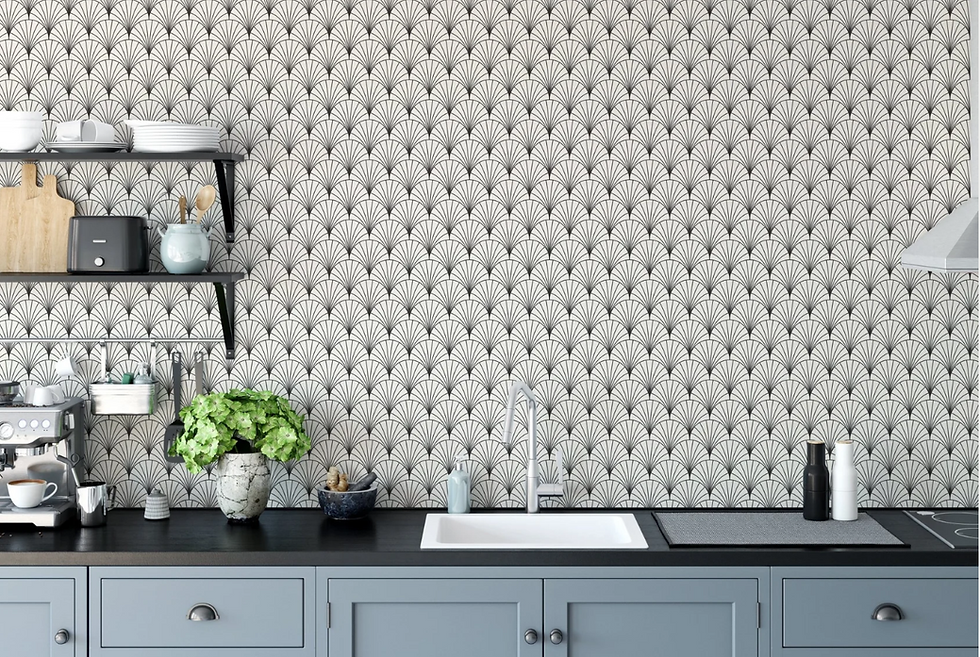
Some interiors need more than softness. They need direction, rhythm, and a stronger decorative framework. In such cases, geometric styling and structured vintage influence can help a room feel polished and well-composed. Patterns inspired by older design movements often work best when they are adapted carefully into modern interiors, rather than copied too heavily. This is especially true when using wall art deco wallpaper, which can introduce visual order, bold symmetry, and a luxurious decorative quality. In professional styling, this type of pattern is often used in formal dining spaces, stylish hallways, dressing rooms, or elegant living areas. It performs best when the surrounding elements remain controlled, allowing the wallpaper to feel sophisticated rather than visually excessive.
Using Nostalgia Without Making a Room Feel Dated
Vintage-inspired interiors continue to appeal because they add familiarity, personality, and warmth. However, nostalgia works best when it is interpreted with restraint. A room does not need to feel like a themed set to benefit from a past-era influence. The most successful designs usually combine classic references with modern comfort, practical furniture, and clean layout decisions. This helps the room feel collected rather than outdated. When people want a more expressive wall style that still feels approachable, retro wallpaper can offer exactly that balance. It is often useful in creative studios, lounges, breakfast nooks, home bars, or guest rooms where personality matters. The trick is to balance strong patterns with quieter materials so the room remains enjoyable in everyday use.

Soft Pattern for a More Welcoming Home
Not every wall treatment needs to feel dramatic or architectural. In many homes, the most successful spaces are the ones that feel warm, gentle, and emotionally inviting. Floral themes have remained popular for this reason. They can soften hard lines, introduce a natural rhythm, and bring decoration into a room without requiring bold contrast. The best floral interiors are usually the ones where scale and color are selected carefully to suit the space. Delicate motifs may work well in smaller rooms, while broader blooms can create a richer effect in larger areas. For homeowners who want a comforting yet decorative finish, flower wallpaper often suits bedrooms, dressing rooms, nurseries, dining spaces, and feature walls where softness and charm are important to the overall atmosphere.

Scaling Design for Larger Surfaces
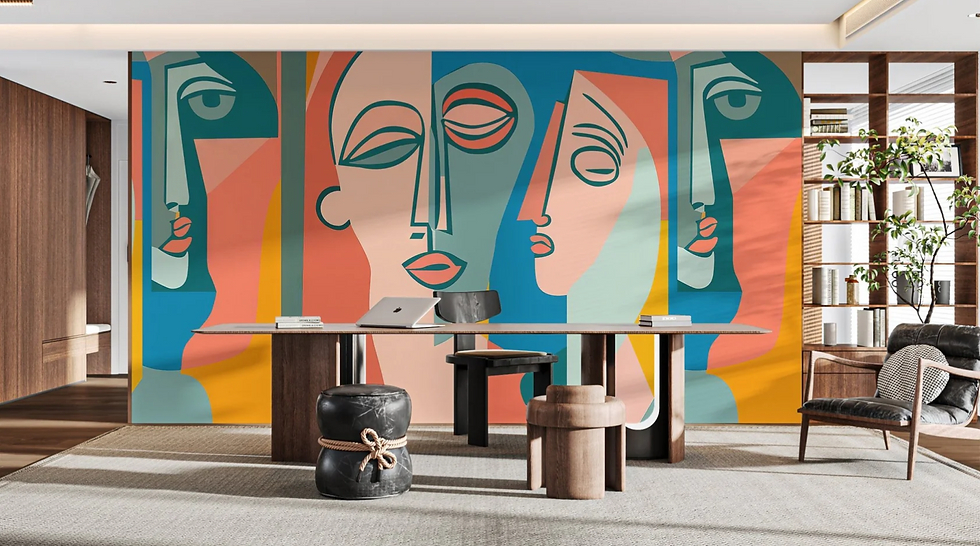
One of the most important but overlooked elements in wallpaper planning is scale. A pattern or image that looks perfect on a sample can behave very differently when expanded across a full wall. Large spaces need visual confidence, while smaller spaces often need more restraint. Designers with installation experience usually assess how much uninterrupted wall area is available, how furniture will sit in front of it, and where the natural focal points already exist. In rooms with broad blank surfaces, high ceilings, or feature-wall potential, a large wall mural can transform the entire perception of the interior. It can add depth, storytelling, and visual structure in a way that smaller repeated patterns sometimes cannot, especially when the design aligns with the room's proportions.
Balancing Wall Treatments with Real Life
A successful wall design should never be judged only by how it looks in a staged image. It also needs to perform in real life. Lighting changes across the day, furniture gets moved, decorative accessories evolve, and family routines affect how a room is experienced. That is why experience-based interior decisions often focus on usability as much as style. A good wall finish should still feel right during quiet mornings, active evenings, and everyday living. It should not become tiring after the excitement of installation fades. The most dependable design choices are the ones that match the emotional purpose of the room while also supporting practicality, comfort, and long-term visual satisfaction.
Making Confident Wallpaper Choices That Last
When people choose wallpaper with intention, the result feels far more complete than a room designed around a trend alone. The right pattern, image, or mural can define the atmosphere of a room and help create a stronger connection between design and daily living. Whether the goal is scenic calm, decorative luxury, vintage character, floral softness, or a bold visual statement, the decision should always reflect the size, use, and mood of the space. A thoughtful approach leads to interiors that feel balanced, expressive, and genuinely livable. Instead of decorating for a short moment, it becomes possible to create a room that continues to feel relevant, comfortable, and visually rewarding over time.


Comments