Refresh Your Home with Timeless and Modern Wallpaper Ideas
Create a More Personal Interior
Wall treatments can change the character of a room without requiring a complete renovation. For homeowners across the United States, wallpaper offers a practical way to introduce pattern, texture, color, and visual depth. From classic interiors to contemporary spaces, the right design can complement furniture and architecture while creating a stronger sense of identity. Choosing wallpaper should involve more than appearance, however. Room function, wall condition, installation method, lighting, and long-term maintenance all deserve consideration before making a purchase.
Add Architectural Character with Pattern
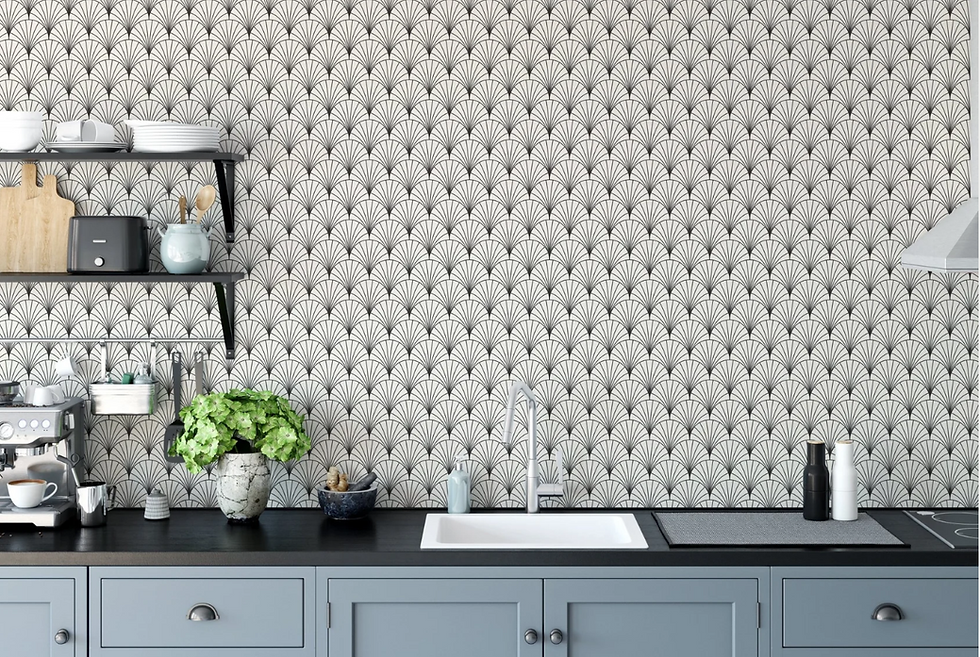
For homeowners who want the appearance of a structured surface without construction work, tile wallpaper can provide a convincing decorative alternative. It can recreate the visual character of ceramic, encaustic, subway, or patterned tile while remaining suitable for many interior applications. This approach works particularly well in kitchens, bathrooms with appropriate moisture-resistant products, laundry rooms, and accent areas. Before installation, check the manufacturer's specifications because not every wallpaper product is designed for humid environments.

Bring History into Contemporary Rooms
Designs inspired by earlier decorating periods can give modern homes a sense of character. Vintage wallpaper murals can introduce large-scale botanical scenes, historic landscapes, traditional motifs, or nostalgic illustrations without requiring an entire room to follow a period-specific style. A mural can become the focal point behind a bed, sofa, dining table, or reading area. To keep the room balanced, pair a detailed mural with simpler furnishings and accessories rather than competing patterns throughout the space.

Make Ceilings Feel More Open
A room can feel brighter and more spacious when its wall treatment draws attention upward. Cloud wallpaper is one way to create an airy visual effect, particularly in bedrooms, nurseries, reading rooms, and relaxed living spaces. Soft cloud patterns can work with neutral furniture, natural wood, and light-colored textiles. Scale matters: oversized clouds can create a dramatic statement, while smaller patterns tend to produce a quieter background. Always consider natural and artificial lighting because both can affect how pale or saturated the design appears.

Connect Interiors with Nature
Nature-inspired decorating remains useful because organic imagery can soften rooms dominated by hard surfaces and technology. Tree wallpaper can create a strong connection with the outdoors while adding height and visual movement to a wall. Forest scenes, delicate branches, and stylized trees can suit different decorating approaches, from traditional American homes to modern apartments. When selecting a design, consider the room's existing colors and sightlines so that the imagery enhances rather than overwhelms the interior.

Evaluate the Benefits Before Installation
Understanding the wallpaper pros and cons can help homeowners make a more informed decision. Wallpaper can conceal minor visual imperfections, introduce distinctive patterns, and provide a durable decorative finish when properly installed and maintained. Some products are also removable, making them useful for renters or people who frequently update their interiors. However, installation requires accurate measurements and careful preparation, while removal can vary significantly depending on the adhesive and wall surface. Moisture, direct sunlight, and poor wall preparation can also affect performance.
Understand the Philosophy Behind Imperfection
Homeowners interested in understated interiors may ask, what is wabi-sabi wallpaper? The concept draws inspiration from the Japanese aesthetic of appreciating simplicity, natural materials, age, texture, and imperfection. In wallpaper design, this philosophy can appear through muted colors, organic forms, weathered textures, uneven brushwork, and restrained patterns. Rather than attempting to make a room look perfectly polished, this approach emphasizes authenticity and calm. It can work especially well with wood furniture, linen textiles, ceramics, stone finishes, and other natural materials.
Use Vertical Design to Change Perception
Low ceilings can make a room feel compressed, especially when furniture and wall treatments emphasize horizontal lines. Learning how to make a low leiling look taller can help homeowners improve the visual proportions of the space without structural changes. Vertical patterns are particularly effective because they encourage the eye to move upward. Wallpaper that features narrow stripes, elongated botanical elements, vertical architectural details, or upward-reaching branches can reinforce this effect. Installing the design consistently from floor to ceiling can also create a more continuous visual field.
Choose Scale According to Room Size
Pattern scale should match the proportions of the room and the visual impact you want to create. Large motifs can look sophisticated in spacious rooms or on a single feature wall, while smaller patterns may work better across multiple walls in compact spaces. Before committing to a design, order a sample whenever possible. Place it against the intended wall and observe it at different times of day. Colors and contrast can look noticeably different under morning sunlight, afternoon light, and warm evening fixtures.
Prepare Walls for a Better Result
Good preparation is one of the most important factors in achieving a professional-looking installation. Walls should generally be clean, dry, smooth, and free from loose paint or significant surface defects. Holes and cracks should be repaired, and glossy surfaces may require appropriate preparation so the wallpaper adhesive can perform properly. Always follow the product manufacturer's installation instructions because application requirements differ among traditional, peel-and-stick, vinyl, and specialty wallpaper products.
Think About Maintenance and Longevity
The best wallpaper choice depends partly on how the room will be used. High-traffic areas may benefit from durable, washable materials, while bedrooms and decorative spaces provide more flexibility. Kitchens and bathrooms require particular attention to humidity and ventilation. Homeowners should never assume that a wallpaper labeled removable is automatically suitable for every wall or environment. Product specifications, manufacturer guidance, and proper installation practices provide the most reliable basis for choosing an appropriate material.
Create a Balanced Decorating Plan
Wallpaper works best when it becomes part of a larger interior design strategy. Consider flooring, furniture, window treatments, lighting, artwork, and accent colors before selecting a pattern. If the wallpaper contains several colors, choose one or two of them for accessories and textiles. For a minimalist room, a textured or subtle design can provide interest without adding visual clutter. In a more expressive interior, a dramatic mural can serve as the primary focal point while surrounding elements remain relatively restrained.
Make the Choice with Confidence
A successful wallpaper project combines aesthetic preference with practical planning. Whether the goal is to recreate architectural detail, introduce nature-inspired imagery, make a ceiling appear taller, or create a calm atmosphere, the right design should suit both the room and the people using it. Samples, accurate measurements, wall preparation, manufacturer instructions, and realistic expectations can significantly improve the final result. With thoughtful selection, wallpaper can provide a distinctive interior update while supporting the overall character and function of an American home.


Comments