Modern Wallpaper Ideas for Stylish American Homes in 2026
Creating a Strong First Impression
Wallpaper can change the character of a room without requiring a major renovation. In American homes, homeowners are increasingly using feature walls to introduce color, texture, and personality while keeping the rest of the décor balanced. From nature-inspired scenes to neutral bedroom designs and contemporary abstract artwork, the right wallpaper can work as both a decorative element and a foundation for the room's overall style.
Bringing Nature Into the Home
Tropical wallpaper for walls can give a living room, bedroom, sunroom, or home office a fresh connection to nature. Palm leaves, botanical illustrations, exotic foliage, and tropical compositions can create a strong focal point without requiring additional wall décor. For a balanced interior, pair a detailed tropical pattern with neutral furniture, natural wood, woven materials, or simple textiles. In smaller rooms, using the design on one wall can create impact while keeping the space visually organized.

Creating a Calm Bedroom
A bedroom should support relaxation, and color selection plays an important role in establishing that atmosphere. Beige wallpaper for bedroom interiors works particularly well when homeowners want warmth without introducing strong contrast. Beige can complement white bedding, natural wood furniture, cream textiles, black accents, and muted metallic finishes. Because lighting changes throughout the day, it is helpful to view a wallpaper sample under both natural and artificial light before making a final decision.

Exploring Contemporary Simplicity
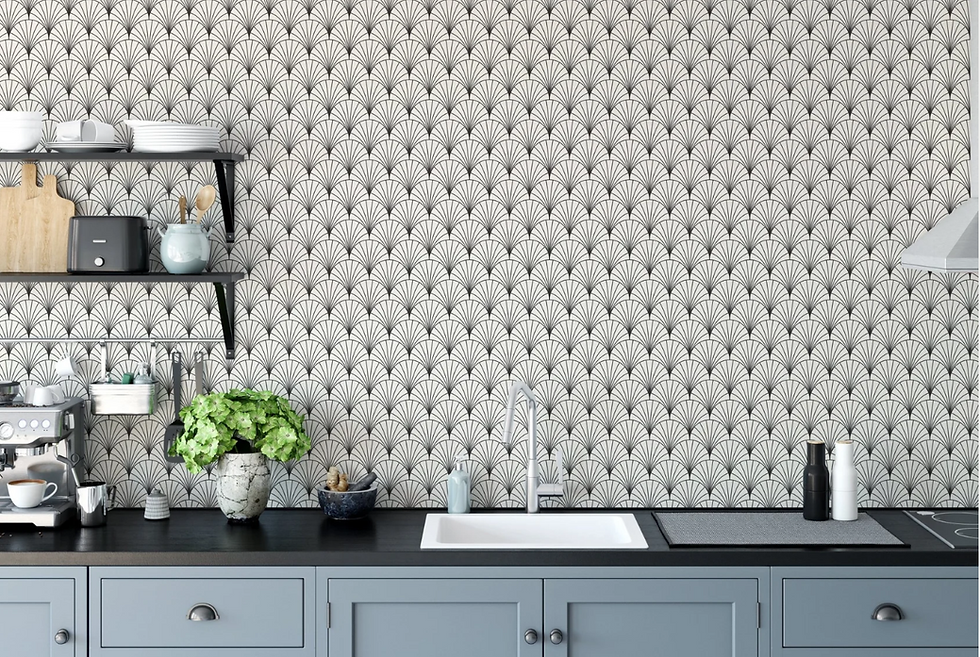
Minimal interiors do not have to look plain. Monochrome abstract wallpaper can introduce movement and visual structure while maintaining a controlled color palette. Black, white, gray, or tonal designs can complement contemporary furniture and modern architectural details. This approach works especially well in home offices, dining areas, hallways, and living rooms where homeowners want an artistic feature without adding numerous decorative objects.

Introducing More Color
For homeowners who enjoy expressive interiors, abstract multicolor wallpaper can provide an artistic centerpiece. Designs combining several colors can work particularly well behind a sofa, dining table, bed, or console. The key is to repeat one or two colors from the wallpaper elsewhere in the room through cushions, rugs, artwork, or accessories. This technique creates visual continuity and prevents a colorful wall from feeling disconnected from the rest of the interior.

Choosing the Right Pattern Scale
Pattern scale can significantly affect the appearance of a room. Large designs often create a dramatic focal point, while smaller patterns can provide a more consistent background. Before selecting wallpaper, consider the size of the wall, ceiling height, furniture placement, and distance from the viewing area. A large-scale pattern may suit an expansive living room, while a smaller room may benefit from a design with more open space between motifs.
Considering Natural and Artificial Light
Lighting can change how wallpaper colors and patterns appear. A south-facing room may receive strong natural light, while a north-facing room can appear cooler and darker. Warm bulbs may also make beige, cream, and earthy tones appear richer during the evening. Homeowners should evaluate samples in the actual room whenever possible. This simple step provides a more accurate impression than viewing a digital image alone.
Understanding Removable Wallpaper
The question is peel and stick wallpaper reusable? depends on the product and installation conditions. Peel-and-stick wallpaper is designed for relatively straightforward application and removal, but removing a panel does not automatically guarantee that it can be installed again successfully. Adhesive can collect dust, lose tack, stretch, or become damaged during removal. The manufacturer's instructions should always take priority, especially when considering reuse.
Preparing a Wall Correctly
A clean and smooth surface can make a significant difference to the final appearance of wallpaper. Dust, grease, loose paint, holes, and significant texture may affect adhesion or create visible imperfections. Homeowners should follow the preparation instructions provided with their selected product. Renters should also review their lease before making decorative changes and should test removal on an inconspicuous area when the manufacturer recommends doing so.
Designing Around Existing Furniture
Wallpaper should work with the furniture already present in the room. Before choosing a pattern, identify the main colors in sofas, beds, curtains, rugs, cabinetry, and flooring. A neutral room can support a more expressive wall design, while a room with colorful furniture may benefit from a restrained pattern. Repeating a wallpaper color through small accessories can make the finished space feel coordinated without making every element match exactly.
Making Seasonal Décor Flexible
Halloween provides an opportunity to experiment with temporary decorating. The choice between cute or scary halloween wallpaper depends on the atmosphere homeowners want to create. Friendly pumpkins, playful ghosts, bats, and illustrated characters can work well for family spaces, while darker compositions may suit entertainment areas or seasonal displays. Temporary decorative solutions can make it easier to change the room once the holiday season ends.
Creating Family-Friendly Spaces
Wallpaper can also help define children's rooms, playrooms, and family areas. When selecting a design for these spaces, consider durability, cleanability, and the child's changing interests. A versatile pattern can remain appropriate for several years, while temporary products can provide more freedom for seasonal or age-specific decorating. Neutral furniture can also make it easier to update accessories without replacing the wall treatment.
Using Wallpaper in Unexpected Areas
Wallpaper does not have to be limited to living rooms and bedrooms. Powder rooms, entryways, reading corners, dining nooks, laundry rooms, and home offices can all benefit from carefully selected patterns. Smaller spaces can provide an opportunity to use bolder artwork because the design does not have to coordinate with a large number of furnishings. A well-positioned accent wall can also create a clear visual destination within an open floor plan.
Balancing Bold and Neutral Elements
A dramatic wallpaper design usually works best when other major elements remain relatively controlled. For example, a colorful abstract wall can be paired with neutral upholstery and simple flooring. A tropical design can work with natural textures and understated furniture. Conversely, a neutral wallpaper can provide a subtle background for colorful artwork or statement furniture. This balance keeps the room visually engaging without overwhelming the overall composition.
Making Small Rooms Feel Intentional
Wallpaper can be effective in compact American homes and apartments when homeowners choose the pattern thoughtfully. Instead of treating a small room as a limitation, use its dimensions to create a focused design statement. A feature wall behind a bed, desk, or vanity can establish a strong visual anchor. Lighter backgrounds and appropriately scaled patterns may also help maintain an open appearance.
Selecting Quality Over Appearance Alone
A beautiful digital preview does not tell the entire story. Homeowners should examine the wallpaper's material, finish, installation method, cleaning guidance, and recommended surface conditions before purchasing. Product samples can help evaluate color, texture, print quality, and scale. Reading manufacturer instructions carefully also reduces installation mistakes and helps homeowners select a product that matches their practical requirements.
Building a Cohesive American Interior
American homes often combine multiple design influences, including contemporary, traditional, transitional, coastal, farmhouse, and eclectic styles. Wallpaper can connect these elements when homeowners select patterns that share colors or visual characteristics with existing décor. A botanical design can soften contemporary furniture, while an abstract pattern can update a traditional room. The most successful interiors usually prioritize proportion and cohesion rather than following a single design category.
Making Wallpaper a Long-Term Design Choice
Wallpaper trends change, but strong design principles remain useful. Homeowners can make a pattern feel more timeless by selecting colors that coordinate with permanent features such as flooring, cabinetry, and architectural details. When personal taste changes, smaller décor items can be updated while the wall treatment remains the foundation. This approach makes wallpaper a practical part of a broader interior design strategy.
Final Thoughts
Modern wallpaper offers American homeowners numerous ways to personalize their spaces. Tropical artwork can introduce natural character, beige can create a calm bedroom foundation, monochrome designs can support minimalist interiors, and multicolor abstracts can add artistic energy. Removable options can also provide flexibility for renters and seasonal decorating. By considering lighting, wall condition, furniture, pattern scale, material quality, and long-term style, homeowners can create interiors that feel deliberate, comfortable, and distinctly personal.


Comments