How to Choose Wallpaper for Every Kitchen and Home Interior
Start With the Room’s Function
Choosing wallpaper should begin with how a room is used rather than with appearance alone. Kitchens, bathrooms, bedrooms, and living spaces have different demands for moisture resistance, cleaning, durability, and visual scale. Homeowners in the United States should also consider the wall surface, ventilation, natural light, and installation conditions before ordering wallpaper. A design that works well in a dry dining area may not be suitable for a wall directly exposed to cooking splashes or steam. Taking these practical details into account helps create a finish that looks intentional and performs well over time.
Create a Practical Kitchen Focal Point
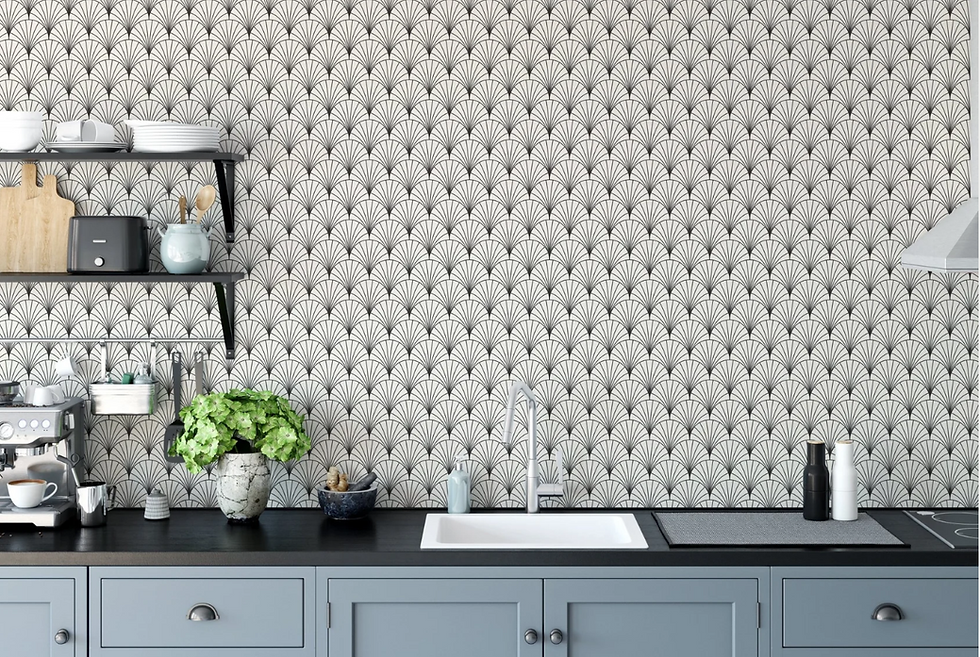
A kitchen can benefit from pattern without sacrificing its practical character. wallpaper for kitchen can introduce color, texture, or architectural interest to a breakfast nook, dining corner, pantry wall, or another suitable surface away from direct water and heat exposure. For busy households, choose a washable material and follow the manufacturer's cleaning recommendations. Before installation, check that the wall is smooth, dry, clean, and properly prepared. Keeping the pattern away from areas exposed to excessive heat or repeated splashing can also help maintain its appearance.
Bring Natural Warmth to the Interior
Wood-inspired surfaces can make contemporary rooms feel warmer without requiring actual timber installation. wood wallpaper can suggest oak, reclaimed boards, timber slats, or other natural textures while allowing homeowners to change the appearance of a room more easily. This approach works particularly well in dining rooms, offices, bedrooms, and accent areas where warmth is important. When selecting a design, compare the scale of the wood pattern with the room's dimensions. Large patterns can create a stronger visual statement, while smaller details tend to blend more quietly with existing furnishings.

Add Pattern Through Tile-Inspired Designs
Tile patterns can provide the visual structure associated with ceramic surfaces without the installation process required for actual tile. tile wallpaper can work particularly well in kitchens, dining spaces, powder rooms, and other areas where geometric repetition complements cabinets or flooring. However, homeowners should distinguish between visual tile effects and real tile surfaces. Wallpaper does not replace a waterproof backsplash or another surface specifically designed for direct exposure to water, grease, or high heat. Proper placement is therefore essential when using this decorative approach.

Keep Scandinavian Interiors Balanced
Clean lines, natural materials, soft colors, and uncluttered arrangements are common elements of Scandinavian-inspired interiors. scandinavian wallpaper can reinforce this design direction without making the room feel overly decorated. Look for restrained botanical motifs, subtle geometric patterns, muted neutrals, or designs that leave enough visual space around furniture. Light-colored wallpaper can also complement natural wood, linen, wool, and simple upholstered furniture. The goal is to create visual interest while preserving the calm proportions associated with this interior style.

Look Beyond the Walls
The ceiling is often overlooked during decorating, even though it can influence the overall character of a room. ceiling wallpaper ideas can inspire homeowners to treat the fifth wall as part of the overall design. A subtle pattern can add dimension to a dining room or bedroom, while a more expressive design can create a decorative focal point in a compact space. Before installation, evaluate ceiling height, lighting, access, and the condition of the surface. Professional installation may also be worth considering because working overhead requires additional precision and safety precautions.
Make Small Rooms More Expressive
Small rooms provide an opportunity to experiment with pattern because less material is required to create a noticeable visual effect. powder room wallpaper ideas can help homeowners consider whether to cover every wall or create a more concentrated accent. A powder room can accommodate stronger patterns than a large open-plan space because its limited footprint naturally contains the design. Still, moisture and ventilation matter. Select a product appropriate for the room's conditions and avoid assuming that decorative wallpaper automatically provides the water resistance of dedicated bathroom surfaces.
Evaluate Materials Before Ordering
The printed design is only one part of a wallpaper decision. Material construction, application method, removability, cleaning requirements, and wall compatibility can affect the long-term result. Peel-and-stick products may appeal to renters and homeowners seeking easier installation, while traditional paste-applied products can provide different performance characteristics. Always read the manufacturer's specifications before purchasing. It is also useful to order a sample when available. Viewing a pattern in the actual room can reveal differences caused by daylight, artificial lighting, cabinet colors, flooring, and surrounding furnishings.
Consider Pattern Scale and Room Proportion
Pattern scale should correspond with the size and architecture of the room. Large motifs can become dramatic focal points, while smaller patterns can provide a quieter backdrop. Vertical designs may emphasize wall height, whereas horizontal arrangements can influence the perceived width of a space. Repetition also affects how quickly the eye notices a pattern. When planning a feature wall, measure the surface carefully and account for doors, windows, cabinets, outlets, and other interruptions. Accurate measurements reduce waste and help installers plan pattern alignment before cutting the material.
Understand the Practical Trade-Offs
Every decorating material involves advantages and limitations. wallpaper pros and cons should be considered before making a purchase rather than after installation. Wallpaper can provide strong visual impact, cover minor surface imperfections when the product allows it, and offer extensive design variety. On the other hand, installation requires preparation and precision, some products have specific cleaning limitations, and poorly prepared walls can affect the final appearance. Understanding these factors helps homeowners select a product that matches both their design goals and the realities of their space.
Coordinate Wallpaper With Existing Finishes
Wallpaper should work with the materials already present in the room. In a kitchen, consider cabinet color, countertop material, backsplash, flooring, hardware, and lighting before choosing a pattern. In a bedroom or living room, compare the wallpaper with upholstery, rugs, curtains, wood tones, and artwork. A useful approach is to identify one dominant color from the existing interior and select wallpaper that either repeats it or provides a controlled contrast. This creates visual continuity without requiring every element to match exactly.
Prepare the Wall for a Better Finish
Good installation begins before the first sheet is applied. Walls should generally be clean, dry, smooth, and free from loose paint or significant surface defects. Existing wallpaper may need to be removed, and glossy surfaces may require appropriate preparation according to the product instructions. Uneven walls can become more noticeable beneath certain patterns, especially designs with strong lines or geometric repetition. Following the manufacturer's preparation and installation requirements gives the finished surface a better chance of maintaining consistent seams and pattern alignment.
Make the Choice Based on Your Lifestyle
The most suitable wallpaper depends on the people using the room as much as on the visual style. Homes with children, pets, frequent cooking, or heavy daily activity may require different cleaning and durability considerations than a formal guest room. Think about how often the wall will be touched, whether furniture will rub against it, and how easily the surface needs to be cleaned. A beautiful pattern becomes more useful when its material and location match the everyday demands of the household.
Final Thoughts
Wallpaper can reshape the atmosphere of a home when design decisions are supported by practical planning. Kitchen applications, warm wood effects, tile-inspired patterns, Scandinavian motifs, decorated ceilings, and expressive powder rooms each offer different opportunities. The strongest results come from matching the wallpaper material to the room, preparing the surface carefully, considering pattern scale, and coordinating the design with existing finishes. By evaluating both appearance and performance before installation, US homeowners can create interiors that feel personal, cohesive, and suitable for everyday living.


Comments