Creative Wall Covering Ideas for Stylish and Personal Interiors
A Fresh Approach to Interior Walls
Walls have a major influence on how a room looks and feels. In American homes, homeowners are increasingly using decorative wall coverings to introduce personality without replacing furniture or making major structural changes. From botanical motifs to geographic artwork, the right design can establish a room's visual direction while supporting the existing décor. Choosing a wall covering should involve more than appearance, however. Room function, lighting, installation requirements, maintenance, and the scale of the design all deserve consideration before making a final decision.
Bring Nature Indoors
Botanical designs remain a practical choice for bedrooms, living rooms, dining areas, and home offices. Flower wallpaper can introduce color and organic movement while making a plain wall more visually interesting. Large blooms tend to create a dramatic focal point, while smaller floral patterns can provide a softer backdrop. When selecting a floral design, consider the room's natural light and existing furnishings. A pattern with colors already present in rugs, upholstery, or artwork can create a more coordinated appearance without making the space feel overly matched.

Add Character Through Geography
Decorative maps can work particularly well in offices, studies, libraries, children's rooms, and travel-inspired interiors. A world map wall wallpaper can serve as both visual décor and an educational feature, especially when it includes recognizable countries, oceans, or geographic details. In a home office, a detailed map can complement wood furniture and neutral accessories. In a child's room, a colorful geographic design can encourage curiosity about different places. Scale matters here: a highly detailed map usually needs sufficient wall space to remain readable and visually balanced.

Choose Designs With Personality
Not every interior needs to follow a predictable decorating formula. Unique wallpaper can help homeowners create a focal wall that feels personal rather than generic. Unusual botanical arrangements, artistic illustrations, architectural compositions, and unexpected color combinations can all provide a distinctive appearance. The key is to establish one clear visual statement instead of competing with several dramatic elements. If the wall covering is highly expressive, simpler furniture and restrained accessories can help maintain balance throughout the room.

Use Repetition With Purpose
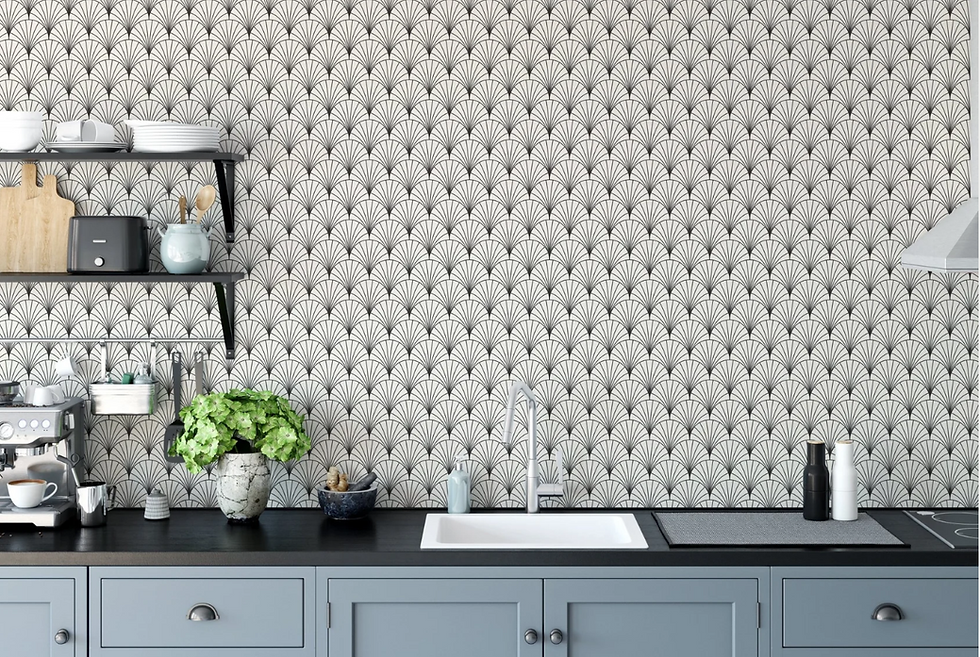
Repeating visual elements can make a room feel organized and intentional. Pattern wallpaper offers numerous possibilities, from geometric shapes and stripes to botanical motifs and abstract compositions. Pattern scale should correspond with the room's size and furniture arrangement. Large-scale patterns can create strong impact in spacious rooms, while smaller repeats may work better in compact areas. Before installation, ordering samples is useful because a pattern can appear significantly different under morning sunlight, evening lighting, or artificial illumination.

Make Small Rooms More Memorable
Powder rooms provide an opportunity to experiment because they are generally smaller and more visually contained than major living spaces. When considering powder room wallpaper ideas, homeowners can explore bolder colors, artistic motifs, or dramatic patterns that might feel too intense across a large room. Moisture resistance should also be considered because powder rooms experience humidity and occasional splashes. Proper surface preparation and installation are important for achieving clean seams and maintaining the finished appearance over time.
Understand the Practical Trade-Offs
Decorative wall coverings can offer substantial visual benefits, but homeowners should evaluate their practical requirements as well. Wallpaper pros and cons should be considered before purchasing, particularly for rental properties, busy households, or rooms exposed to moisture. Advantages may include design variety, visual warmth, and the ability to transform a room without replacing major furnishings. Potential drawbacks include installation time, surface preparation, removal requirements, and differences in durability between materials. Product specifications should always be reviewed before installation.
Consider Material and Installation
The material selected can influence both performance and installation. Traditional paper-based products may require more careful handling, while vinyl-coated and other durable materials can be easier to maintain depending on their construction. Peel-and-stick options may appeal to renters or homeowners seeking a simpler installation process, but wall condition remains important. Smooth, clean, dry surfaces generally provide better results. Following the manufacturer's installation instructions is essential because adhesive requirements, seam techniques, and removal methods vary between products.
Explore Imperfect Beauty
Some interiors benefit from designs that feel organic rather than perfectly polished. What is wabi-sabi wallpaper? In interior design discussions, the term generally refers to wall coverings influenced by the Japanese aesthetic idea of appreciating simplicity, natural materials, irregularity, and the passage of time. Designs may feature muted earth tones, weathered textures, hand-rendered marks, stone-like surfaces, or imperfect botanical forms. This approach can work particularly well with natural wood, linen, ceramics, and understated furnishings.
Coordinate With Existing Décor
A successful wall treatment should support the rest of the room rather than operate independently. Before selecting a design, examine flooring, furniture finishes, window treatments, lighting, and nearby artwork. If the room already contains several colors, a quieter wall design may provide better balance. Conversely, a neutral room can often accommodate a more expressive feature wall. Repeating one or two existing colors within the wall covering can establish a visual connection between the wall and surrounding furnishings.
Think About Scale and Placement
Where the design is installed can be just as important as the design itself. A feature wall behind a bed, sofa, desk, or dining table naturally becomes a focal point. In smaller rooms, covering every wall may produce a stronger effect than intended, so a single accent wall can offer better visual control. Homeowners should also account for doors, windows, shelving, and electrical outlets before finalizing placement. A detailed pattern may lose its impact if important sections are repeatedly interrupted.
Test Before Making a Final Decision
Digital previews are useful for narrowing down choices, but physical samples provide additional information. A sample can reveal texture, color variation, print quality, and how the design responds to the room's lighting. Place the sample near furniture and observe it at different times of day. This simple step can prevent expensive mistakes because colors displayed on a screen do not always match the finished product. For larger projects, confirming measurements and ordering sufficient material from the same production batch can also help maintain consistency.
Create a Long-Term Design
Good wall décor should remain appealing after the initial excitement has passed. Instead of choosing a design solely because it is currently popular, consider whether it complements the home's architecture and the way the room is actually used. A thoughtfully selected wall covering can establish atmosphere, define a focal point, and provide a durable design feature. With careful attention to material, scale, lighting, installation, and maintenance, homeowners can create interiors that feel intentional while still reflecting their individual style.
Final Thoughts
Wall coverings provide a flexible way to transform American interiors, whether the goal is to introduce natural beauty, celebrate travel, add artistic character, or create a refined backdrop. The best results come from combining creative choices with practical planning. By studying samples, checking material specifications, evaluating room conditions, and coordinating the design with existing furnishings, homeowners can make informed decisions and create walls that remain visually satisfying for years.


Comments