7 Wallpaper Design Ideas for Bedrooms, Nurseries, and Living Rooms For US Homes
Start With the Right Wall
Wallpaper can shape the atmosphere of a room without requiring a major renovation. In American homes, homeowners often use wallpaper to add personality to bedrooms, living areas, nurseries, hallways, and home offices. The right pattern can complement existing architecture, define a focal point, or introduce color without making the space feel crowded. Before choosing a design, consider the room's size, natural light, ceiling height, and existing finishes. A large-scale mural may create a strong focal point in a spacious room, while a smaller pattern can work well in compact apartments or cozy bedrooms. Always request a sample when possible because colors can appear different under daylight, warm bulbs, and cool LEDs.
Create a Focused Feature Wall
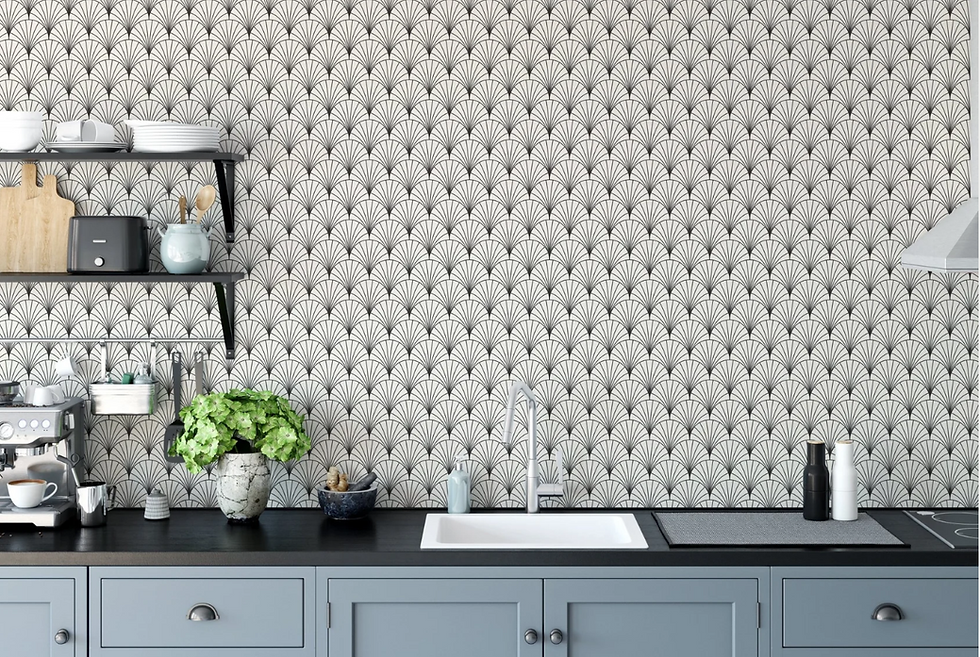
A feature wall gives you a practical way to introduce visual interest without covering every surface. minimalist wallpaper for accent wall works particularly well when the rest of the room uses simple furniture, neutral paint, and understated accessories. Soft lines, muted tones, and restrained patterns can add character while maintaining a clean appearance. When selecting a design, look at the wall from different angles and consider how it interacts with nearby windows and doors. In an open-concept home, a carefully chosen feature wall can also help define a dining zone, reading corner, or home office area. For renters, removable options can provide flexibility without creating a permanent change to the property.

Bring Nature Into the Interior
Nature-inspired imagery remains popular because it can introduce a sense of openness and calm. A landscape scene can work especially well behind a bed, sofa, or reading nook. When choosing a nature-themed design, consider the dominant colors already present in the room. A design featuring warm oranges and soft golds may complement earthy interiors, while blue and lavender tones can create a cooler visual atmosphere. The goal should be balance. If the mural contains several colors, keep surrounding décor relatively simple so the wall remains the primary visual feature.
Use Scenic Artwork for a Calm Setting
For homeowners who enjoy landscape-inspired interiors, sunrise wallpaper mural for walls can create a peaceful backdrop with a strong sense of depth. A sunrise scene may suit a bedroom, meditation area, home office, or living space where a relaxed atmosphere is preferred. The placement of the mural matters, so a large scenic composition often works best on a wall with minimal interruptions from windows or built-in shelving. Measure the wall carefully before ordering, and check how the artwork will be positioned after installation. Proper alignment helps preserve the visual flow of the scene.

Make Children's Rooms More Imaginative
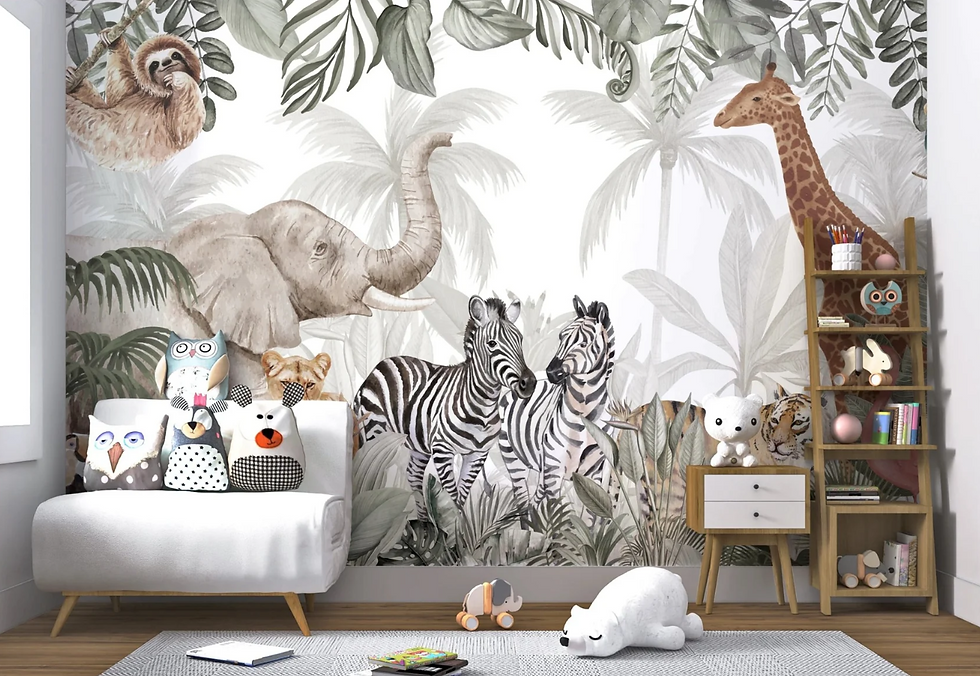
Children's spaces offer more freedom to experiment with playful themes. Animal illustrations, woodland scenes, and storybook-inspired artwork can create an engaging environment while giving the room a clear design direction. Parents should consider how long the theme may remain suitable as the child grows. A safari wall mural for kids bedroom can introduce animals and natural scenery while creating an educational conversation starter. Designs with elephants, giraffes, zebras, and tropical foliage can work with both colorful and neutral room schemes. For a more flexible approach, choose a mural with a balanced palette that can coordinate with changing bedding, accessories, and paint colors.
Choose Gentle Designs for Nurseries
Nurseries often benefit from soothing patterns and soft imagery. Parents typically prefer designs that feel playful without overwhelming the room. Gentle colors, organic shapes, and illustrated animals can provide visual interest while maintaining a peaceful setting. A watercolor bunny wallpaper mural can suit a nursery or young child's bedroom when the design uses soft brushwork and subtle tones. Pairing an illustrated theme with neutral décor allows the wall art to remain noticeable without dominating the entire room. As with any nursery design decision, prioritize low-odor materials and follow the manufacturer's installation and ventilation recommendations.

Add Artistic Energy With Abstract Patterns
Abstract wallpaper can introduce movement and texture without relying on recognizable imagery. This makes it useful for living rooms, creative studios, entryways, and home offices. The best choice depends on the overall visual language of the space. A modern brushstroke wallpaper design can bring an artistic quality to a plain wall while connecting different colors used throughout the interior. If the pattern contains bold strokes, consider using simpler accessories nearby. Repeating one or two colors from the wallpaper in artwork or textiles can help create a cohesive room without making everything look overly matched.

Consider Traditional Patterns With a Fresh Approach
Classic patterns can work in both traditional and updated interiors. Damask motifs, for example, often feature symmetrical forms and detailed ornamentation. Their appearance can range from formal and dramatic to soft and understated, depending on scale and color. Elegant Damask Wallpaper Ideas can suit dining rooms, primary bedrooms, entryways, and formal sitting areas. To keep the space current, pair detailed wall patterns with streamlined lighting, contemporary artwork, or simple architectural finishes. A limited color palette can also prevent an ornate pattern from feeling visually heavy.
Create a Modern Interior With Pattern
Contemporary interiors do not have to rely exclusively on plain walls. Carefully selected patterns can add dimension while maintaining a clean aesthetic. Geometric forms, abstract artwork, tonal textures, and organic motifs can all support a modern design approach. Contemporary Wallpaper Design often focuses on proportion, scale, and color rather than excessive ornamentation. When choosing a pattern, consider the size of the wall and the distance from which it will usually be viewed. A large pattern may look impressive in a spacious room but could feel overwhelming in a narrow hallway.
Match the Design to the Room's Architecture
Wallpaper should work with the architecture rather than compete against it. Crown molding, wainscoting, fireplaces, built-in shelving, and architectural niches can all affect how a pattern appears. Before installation, identify the wall's focal points and determine where the design should begin and end. In older American homes, decorative patterns can complement traditional architectural details. In newer construction, abstract or minimalist designs may reinforce clean lines and open layouts. The most successful result usually comes from treating the wallpaper as part of the room's complete design rather than as an isolated decoration.
Select Materials With Practical Use in Mind
The material you choose should match the room and your lifestyle. High-traffic spaces may require a more durable surface, while bedrooms and decorative areas can offer greater flexibility. Kitchens and bathrooms require additional attention because moisture and humidity can affect certain wallpaper materials and adhesives. Always review the manufacturer's care instructions before purchasing. Check whether the product is washable, removable, or suitable for your intended room. Proper wall preparation also matters because dust, grease, cracks, and uneven surfaces can affect adhesion and the final appearance.
Think About Longevity Before Installation
Good interior design considers both immediate appeal and long-term use. Trends can influence a purchase, but personal taste and the room's function should remain the primary considerations. A design that complements your home's architecture and existing palette is more likely to remain appealing over time. Take accurate wall measurements, order samples, and review installation requirements before committing to a full project. If the wallpaper has a repeating pattern or mural layout, confirm how the panels align before installation. For complex projects, professional installation may provide a cleaner result and reduce the risk of alignment issues.
Build a Home That Reflects Your Style
Wallpaper provides a practical way to introduce artwork, pattern, texture, and personality into American homes. From quiet nature scenes to playful children's themes and sophisticated traditional motifs, the right design can support the mood and purpose of each room. The strongest choices come from careful planning. Consider scale, lighting, architecture, material, and maintenance before making a final decision. By selecting wallpaper that fits both your personal taste and the needs of your space, you can create interiors that feel cohesive, comfortable, and thoughtfully designed.


Comments